Do you love wearing jewellery but end up with itchy, red, or irritated skin? You might have a nickel allergy — and you’re not alone. Nickel-free jewellery is one of the most common contact allergens worldwide, affecting millions of people. The good news? Nickel-free jewellery lets you accessorise beautifully without any discomfort.
Understanding Sensitive Skin and Jewellery Reaction
Sensitive skin often reacts to certain metals or poor-quality coatings used in jewellery. Common problems include:
- Itching around the neck, wrist, or fingers
- Redness or irritation after wearing jewellery
- Green or black marks on the skin
- Allergic reactions from nickel or mixed metals
These issues usually happen when jewellery contains harsh base metals, low-quality plating, or finishes that wear off quickly. Once the outer coating fades, the skin comes into direct contact with reactive metals, causing discomfort.
That’s why material quality matters—especially for people who want jewellery that looks elegant but feels comfortable all day.
Why The Anti Tarnish Jewellery Is a Better Choice for Sensitive Skin
At The Anti Tarnish, we understand that beauty should never come at the cost of comfort. Our anti-tarnish jewellery is created with both style and skin-conscious craftsmanship in mind.
1. Premium Quality Finishing
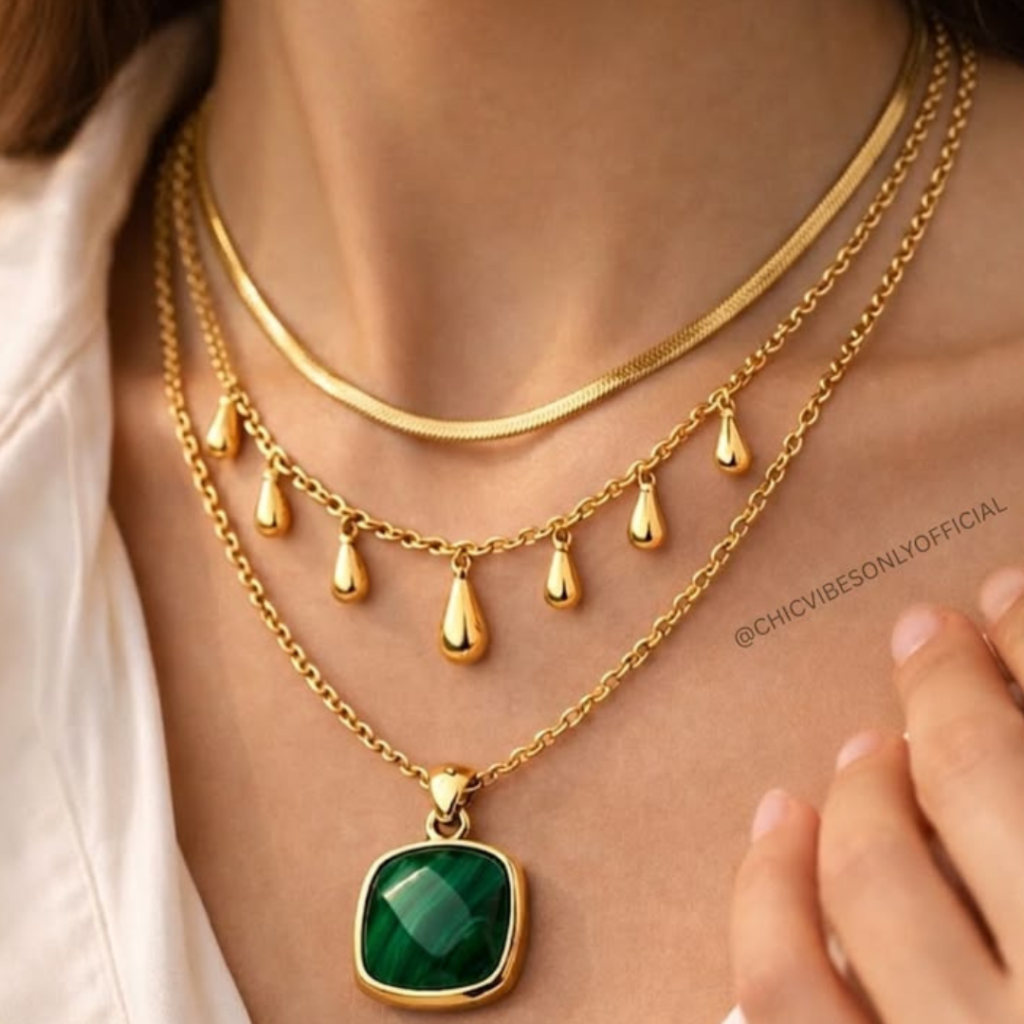
Our pieces are crafted with a high-quality anti-tarnish coating that helps protect the jewellery surface from fading, Nickel-Free Jewellery discoloration, and early wear. This coating also creates a smoother barrier between the jewellery and your skin.
For people with mild sensitivity, this can reduce the chances of irritation compared to low-grade fashion jewellery.
2. Designed for Everyday Wear
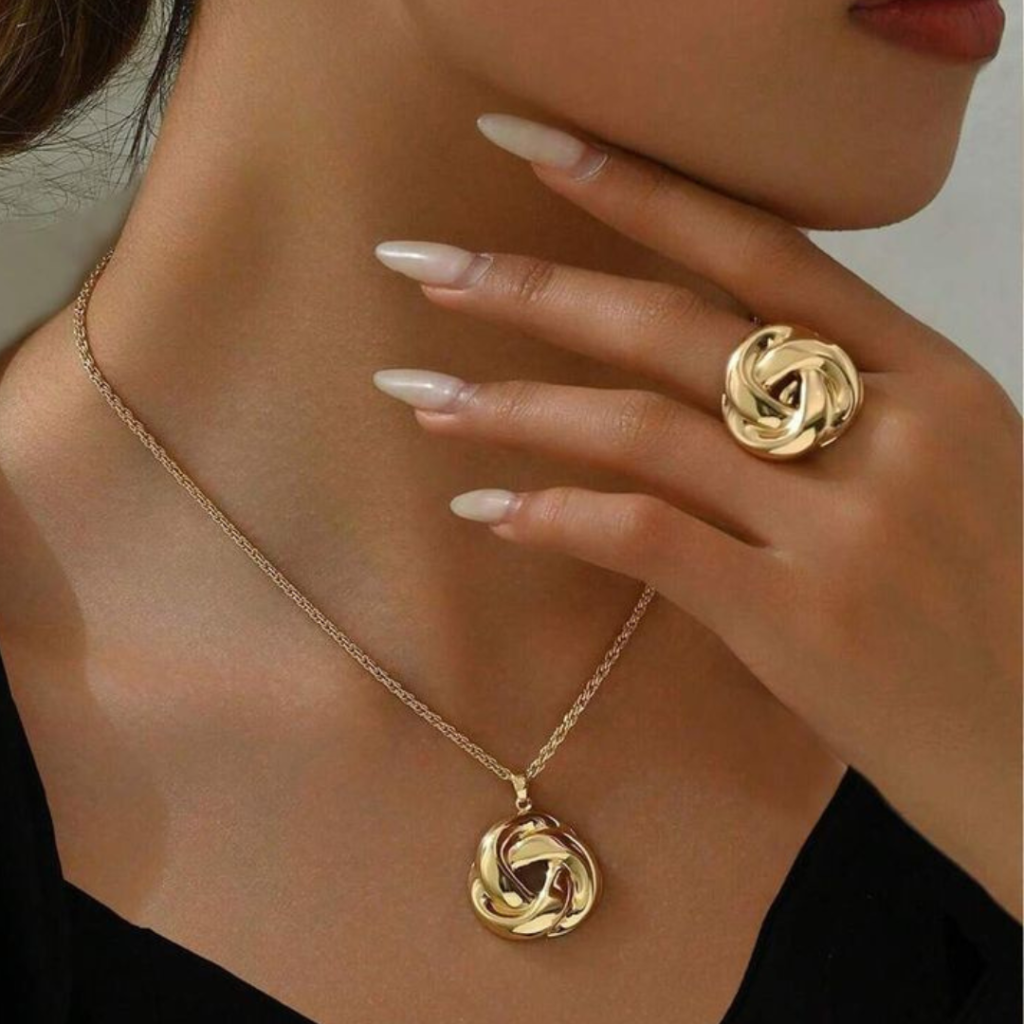
Unlike ordinary imitation jewellery that can lose shine after just a few uses, The Anti Tarnish jewellery is made for regular wear. Since the finish lasts longer, there is less exposure to the underlying metal, which is often the cause of skin reactions in cheaper accessories.
3. Less Risk of Skin Discoloration
Many people with sensitive skin also worry about jewellery leaving green or dark marks. Our anti-tarnish pieces are specially made to resist oxidation and moisture-related reactions, helping reduce those unwanted skin stains.
4. Comfortable and Lightweight
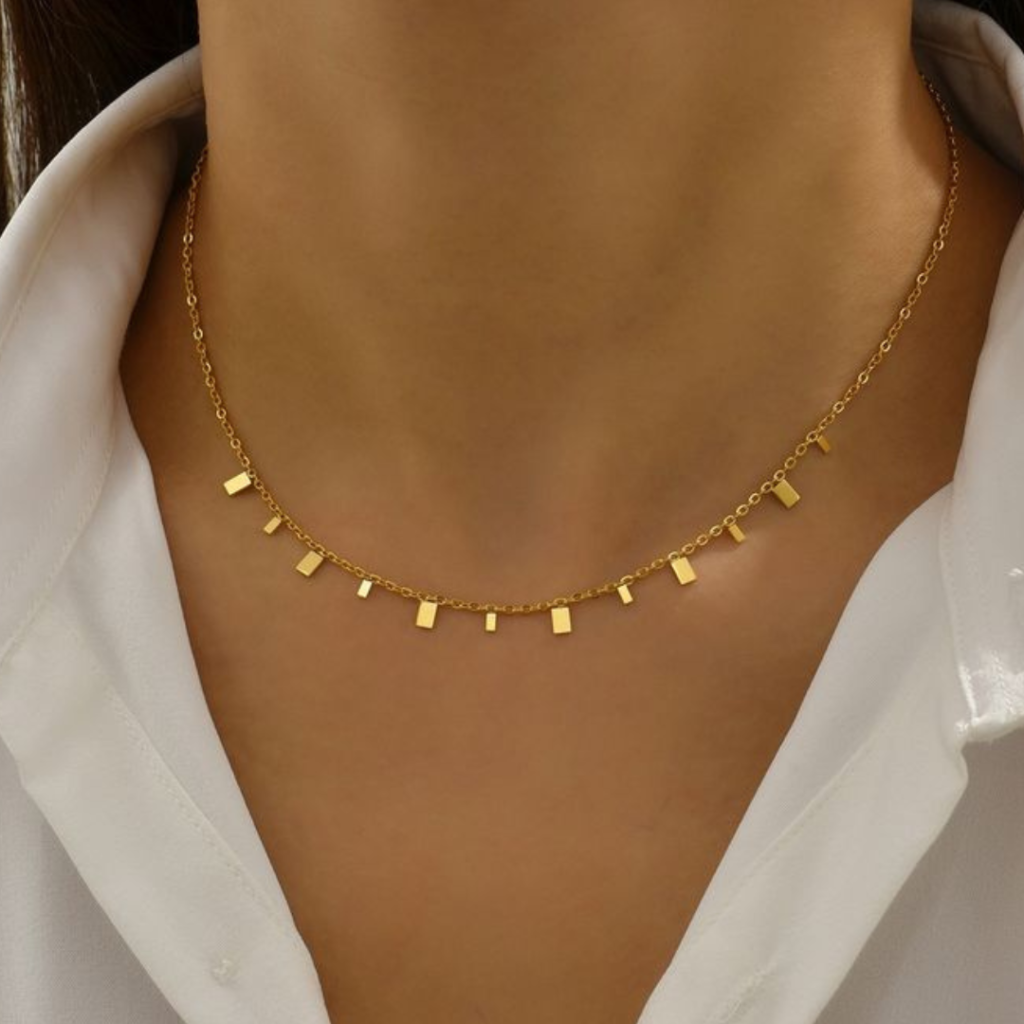
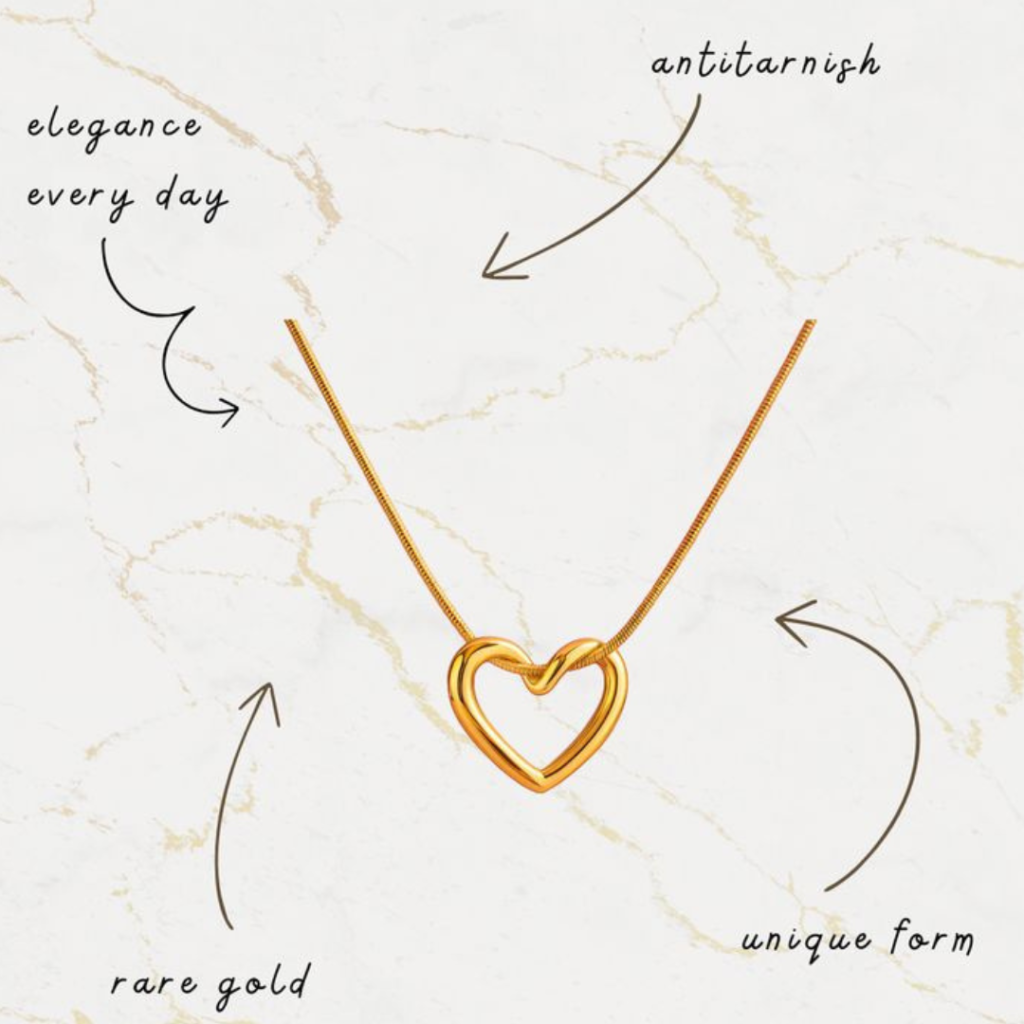
Sensitive skin is not only about allergies—it’s also about comfort. Heavy or rough jewellery can create friction, especially around the neck and ears. Our collection includes elegant, lightweight designs in:
- Earrings
- Neck pendants
- Rings
- Bracelets
This makes them ideal for long hours of wear, whether you’re dressing for work, college, outings, or special occasions.
What Is Nickel-Free Jewellery?
Nickel-free jewellery is made without nickel in its metal alloys. Nickel is commonly added to metals like gold, silver, and brass to make them harder and cheaper — but it’s also the leading cause of metal-related skin reactions.Nickel-free jewellery pieces use safer alternatives so your skin stays calm and comfortable.
Best Nickel-free jewellery Materials
- Surgical-Grade Stainless Steel (316L) — tarnish-resistant, durable & hypoallergenic
- Titanium — 100% Nickel-Free Jewellery, lightweight & ideal for piercings
- Platinum — luxurious, pure & completely skin-safe
- 18K or 14K Gold (nickel-free alloys) — elegant and gentle on sensitive skin
- Sterling Silver (925, certified nickel-free) — classic beauty without the irritation
Why Choose Nickel-Free Jewellery?
Nickel-free jewellery is not just for people with allergies — it’s a smarter choice for everyone. These pieces last longer, resist tarnishing, and keep your skin healthy. Whether you’re buying earrings, rings, necklaces, or bracelets, going nickel-free means you never have to choose between style and comfort.
If you have sensitive skin, choosing the right jewellery can feel like a minefield. You might have experienced that uncomfortable itch after wearing a necklace, redness around your wrist from a bracelet, or those infamous green marks left behind by rings. These reactions are frustrating, especially when you simply want to look beautiful without discomfort.
Anti-tarnish jewellery has been gaining massive popularity in recent years, marketed as the go-to solution for people who want long-lasting, low-maintenance accessories. But the real question is — is anti-tarnish jewellery actually suitable for sensitive skin? Does ‘tarnish-free’ automatically mean ‘skin-safe’?
In this comprehensive guide, we break down everything you need to know: what causes tarnish, why sensitive skin reacts to certain metals, which anti-tarnish materials are safe, and how to choose the perfect jewellery for your skin type. Let’s dive in.
What Is Anti-Tarnish Jewellery?
Before we explore its suitability for sensitive skin, it’s important to understand what ‘anti-tarnish’ actually means.
Tarnish is a thin layer of corrosion that forms on the surface of metals when they react with oxygen, moisture, sulfur compounds, or chemicals in perfumes, lotions, and sweat. This reaction causes metals to turn dull, dark, or discoloured over time — the classic example being sterling silver turning black or copper jewellery leaving green marks on your skin.
Anti-tarnish jewellery refers to pieces that are either made from metals naturally resistant to tarnish or treated with protective coatings to prevent oxidation and corrosion. Common approaches include:
- Using naturally tarnish-resistant metals such as stainless steel, titanium, and platinum
- Applying rhodium plating over silver or gold to create a protective barrier
- Using anti-tarnish coatings or clear lacquers on the metal surface
- Crafting gold-filled or gold-vermeil pieces with thick, bonded gold layers
The result is jewellery that stays bright, shiny, and clean-looking for much longer than standard pieces — requiring less polishing, cleaning, and replacement.
Why Does Jewellery Cause Skin Irritation?
Understanding skin reactions to jewellery is key to finding the right anti-tarnish options. There are several primary reasons why jewellery irritates sensitive skin:
1. Nickel Allergy
Nickel is the number one culprit behind jewellery-related skin reactions. It is widely used as an alloy metal in gold, silver, and other jewellery because it is cheap, durable, and easy to work with. However, nickel is also one of the most common contact allergens in the world. When nickel-containing jewellery touches the skin — especially in warm or sweaty conditions — it can trigger contact dermatitis, presenting as redness, itching, swelling, and blistering.
💡 Always look for ‘nickel-free’ certification when shopping for Nickel-free jewellery if you have sensitive or reactive skin.
2. Oxidation and Tarnish
When metals tarnish, the oxidised layer on the surface can be more reactive than the base metal itself. This means that even metals that are generally safe can cause irritation once they begin to tarnish. Tarnished jewellery is also harder to clean, meaning bacteria and dead skin cells can accumulate, adding to skin irritation.
3. Low-Quality Plating
Many affordable fashion jewellery pieces are gold-plated or silver-plated over a base metal like brass, copper, or zinc. When the plating wears off — which can happen quickly with cheap jewellery — the reactive base metal directly contacts the skin, causing redness, rashes, and discolouration.
4. Chemical Reactions with Skincare Products
Perfumes, lotions, sunscreen, and even sweat can accelerate tarnishing and increase the reactivity of certain metals against the skin. This is why some people notice irritation only when wearing jewellery after applying products.
Is Anti-Tarnish Jewellery Safe for Sensitive Skin?
The short answer is: it depends on the materials used.
Anti-tarnish jewellery is not a single category — it encompasses a wide range of metals, coatings, and manufacturing methods. Some anti-tarnish options are genuinely excellent for sensitive skin, while others can still cause reactions if they contain problematic alloys.
Here is the key insight: jewellery that is truly anti-tarnish AND made from hypoallergenic, nickel-free materials is highly suitable for sensitive skin. The two qualities often go hand in hand, but not always.
Let’s look at the most popular anti-tarnish materials and their suitability for sensitive skin:
Best Anti-Tarnish Jewellery Materials for Sensitive Skin
1. Stainless Steel (Especially 316L Surgical Grade)
Stainless steel is arguably the most popular anti-tarnish jewellery material on the market today — and for very good reason. It is durable, affordable, naturally resistant to rust, corrosion, and tarnish, and importantly, it is hypoallergenic for the vast majority of people.
Surgical-grade stainless steel (316L) is the gold standard. The ‘316L’ designation means the steel contains a very low carbon content and includes molybdenum, which provides exceptional resistance to corrosion — even when exposed to sweat, seawater, and cleaning chemicals.
- Naturally tarnish-resistant and corrosion-proof
- Hypoallergenic — does not contain free nickel that leaches onto skin
- Extremely durable for everyday wear
- Affordable and widely available
- Ideal for rings, necklaces, earrings, and bracelets
💡 While stainless steel does contain a small amount of nickel as part of its alloy, the nickel is bound tightly and does not typically leach onto the skin — making it safe even for most people with mild nickel sensitivity.
2. Titanium
Titanium is the ultimate hypoallergenic jewellery metal. It is 100% nickel-free, naturally tarnish-resistant, and biocompatible — meaning it is so well-tolerated by the human body that it is used in medical implants, prosthetics, and surgical instruments.
For people with severe metal allergies or eczema-prone, reactive skin, titanium jewellery is the safest possible choice. It is also remarkably lightweight, making it comfortable for earrings, rings, and everyday wear.
- Zero nickel — ideal for severe nickel allergies
- Completely tarnish-free and corrosion-resistant
- Biocompatible — safe even for pierced jewellery
- Lightweight and very strong
- Slightly higher price than stainless steel but worth it for very sensitive skin
3. Platinum
Platinum is considered the most luxurious hypoallergenic jewellery metal. It is naturally bright, does not tarnish or corrode, and is extremely pure — typically 95% platinum. Because of its high purity and the absence of nickel in its alloys, platinum is safe for even the most sensitive skin types.
The primary drawback of platinum is its price point — it is significantly more expensive than other anti-tarnish options. However, for those investing in fine jewellery, platinum offers unmatched longevity and skin safety.
4. 18K and 14K Gold (Nickel-Free Alloys)
Pure gold (24K) is completely hypoallergenic and will never cause skin reactions. However, 24K gold is too soft for practical everyday jewellery. This is where alloys come in. The hypoallergenic quality of gold jewellery depends heavily on the karat weight and the specific metals used in the alloy.
18K gold contains 75% pure gold and is far less likely to cause reactions than lower-karat options. 14K gold (58.3% pure gold) is also generally safe. The key is to choose gold jewellery from reputable jewellers who specifically use nickel-free alloy compositions. Yellow gold is generally safer than white gold, as white gold is more likely to contain nickel.
5. Gold-Filled Jewellery
Gold-filled jewellery has a thick layer of gold that is mechanically bonded to a base metal core. Unlike gold plating, which is a microscopic film, gold-filled pieces contain a substantial amount of real gold — typically at least 5% gold by weight. This thickness means the base metal is unlikely to be exposed even with regular wear, making gold-filled pieces a budget-friendly option that is generally safe for sensitive skin.
6. Rhodium-Plated Jewellery
Rhodium is a rare precious metal that is naturally hypoallergenic and provides an ultra-bright white finish. Rhodium plating is applied over silver, white gold, or other metals to create a protective barrier that is both anti-tarnish and skin-friendly. The rhodium layer prevents the base metal from contacting the skin, significantly reducing the risk of irritation.
The consideration with rhodium plating is longevity — high-quality rhodium plating lasts for years, but cheaper applications may wear off faster, eventually exposing the underlying metal.
7. Sterling Silver (Nickel-free jewellery, Certified)
Sterling silver (925 silver) is 92.5% pure silver with 7.5% other metals, usually copper. Standard sterling silver is generally safe for most people with sensitive skin, provided it is certified nickel-free. Silver does tarnish over time, which is why many sterling silver pieces are rhodium-plated to maintain their anti-tarnish properties.
It’s worth noting that cheaper sterling silver pieces may contain traces of nickel in the alloy, so always buy from reputable sources and look for certification Nickel-free jewellery .
Materials to Avoid If You Have Sensitive Skin
Not all anti-tarnish jewellery is created equal. Here are the materials most likely to cause skin reactions:
- Nickel-free jewellery — the most common cause of contact dermatitis
- Brass — a copper-zinc alloy that can cause green marks and irritation
- Copper — reacts readily with skin moisture and acids to cause discolouration
- Zinc alloys — often used in cheap fashion jewellery; can cause redness and rashes
- Low-quality gold or silver plating over reactive base metals — once the plating wears off, the base metal is exposed directly to skin
- Aluminium alloys — can cause reactions in people with metal sensitivities
How to Choose Anti-Tarnish Jewellery for Sensitive Skin
Here is a practical step-by-step approach to finding jewellery that is both anti-tarnish and skin-friendly:
Step 1: Know Your Skin’s Triggers
If you have had reactions to jewellery before, try to identify the common thread. Was it cheap costume jewellery? Sterling silver? White gold? This can help you pinpoint whether you have a nickel allergy, copper sensitivity, or are simply reacting to tarnish and oxidation.
Step 2: Prioritise Nickel-Free Certification
In the European Union, there are strict regulations limiting the amount of nickel that can be released from jewellery in direct and prolonged skin contact. Look for jewellery that meets these standards or is explicitly labelled ‘nickel-free’ by the manufacturer.
Step 3: Choose High-Quality Metals
Stick to materials from our recommended list above: surgical-grade stainless steel, titanium, platinum, 18K+ nickel-free gold, gold-filled, or rhodium-plated sterling silver. Avoid unknown alloys and very cheap fashion jewellery.
Step 4: Buy from Reputable Brands
Trusted brands are more likely to use quality materials and provide accurate labelling. Look for brands that clearly state material composition, offer hypoallergenic certification, and have positive reviews from customers with sensitive skin.
Step 5: Care for Your Jewellery Properly
Even the best anti-tarnish jewellery needs some care to stay skin-safe. Follow these simple rules:
- Remove jewellery before showering, swimming, or exercising
- Apply perfumes, lotions, and sunscreen before putting on jewellery
- Clean jewellery regularly with a soft, damp cloth
- Store pieces in anti-tarnish bags or airtight containers with silica gel
- Avoid exposing jewellery to harsh chemicals, bleach, or cleaning products
Anti-Tarnish Jewellery for Specific Skin Conditions
Eczema-Prone Skin
For those with eczema, the skin’s protective barrier is already compromised, making it even more susceptible to irritants including metals. Titanium and surgical-grade stainless steel are the safest choices. Avoid any jewellery with unknown alloy compositions and consider keeping jewellery wear to a minimum during flare-ups.
Rosacea and Highly Reactive Skin
People with rosacea have chronically sensitised skin that reacts to even minor irritants. Pure titanium or platinum jewellery is ideal. If budget is a concern, high-quality 316L stainless steel or nickel-free 18K gold are excellent alternatives.
Children and Sensitive Skin
Children’s skin is thinner and more sensitive than adult skin. For children’s jewellery — especially earrings after piercing — always use implant-grade titanium or surgical-grade stainless steel. These materials minimise infection risk and allergic reactions during the healing process.
Common Myths About Anti-Tarnish Jewellery and Sensitive Skin
Myth 1: ‘Anti-Tarnish’ Means Hypoallergenic
This is false. Anti-tarnish refers to resistance to discolouration and oxidation — it says nothing about allergen content. A piece can be anti-tarnish yet still contain nickel and cause skin reactions. Always check the material composition separately from the anti-tarnish claim.
Myth 2: ‘Gold’ Jewellery Is Always Safe for Sensitive Skin
Not all gold jewellery is created equal. Gold-plated pieces over nickel-containing base metals can cause significant reactions once the plating wears through. Always specify nickel-free alloy composition, and choose 14K or higher for genuinely hypoallergenic gold.
Myth 3: Sterling Silver Always Turns Skin Green
Quality, nickel-free sterling silver does not turn skin green. The green discolouration usually comes from copper or brass jewellery, or from tarnished silver with reactive oxidation layers. Properly cared for, nickel-free sterling silver with rhodium plating is skin-safe and beautiful.
Myth 4: Nail Polish Can Substitute for Proper Anti-Tarnish Treatment
Applying nail polish to jewellery to protect it is a popular hack, but it is not a reliable solution for sensitive skin. Nail polish chips and peels quickly, and can actually trap moisture between the polish and metal, accelerating tarnishing. It also may introduce its own chemical irritants to the skin. Invest in properly treated anti-tarnish jewellery instead.
Caring for Your Anti-Tarnish Jewellery: A Complete Routine
Proper care extends the life of your jewellery and keeps it safe for sensitive skin. Here is a recommended routine:
Daily Care
- Wipe pieces with a soft, lint-free cloth after wearing to remove sweat and residue
- Store in individual soft pouches or compartmentalised jewellery boxes
- Keep away from direct sunlight, humidity, and heat
Weekly Care
- Clean stainless steel and titanium with mild soap and warm water, then dry thoroughly
- For gold pieces, use a soft jewellery brush with gentle soap solution
- Inspect for signs of wear, especially on plated pieces
Monthly Care
- Check for scratches, chips in plating, or signs of corrosion
- Re-polish with a jewellery polishing cloth if needed
- Replace anti-tarnish storage strips if using them in your jewellery box
Is It 100% Hypoallergenic?
It’s important to be honest here—not all fashion jewellery can be guaranteed 100% hypoallergenic for every person, because skin sensitivity varies from one individual to another.
That said, The Anti Tarnish jewellery is a much safer and more comfortable option than regular low-quality artificial jewellery, especially when:
- The plating is well maintained
- The jewellery is stored properly
- It is kept away from perfumes, sweat, and harsh chemicals
If your skin is extremely reactive or you have a diagnosed metal allergy, it’s always a good idea to:
- Test the piece for a short period first
- Avoid wearing it on broken or irritated skin
- Choose designs that do not fit too tightly
This honest approach builds trust—and at The Anti Tarnish, trust matters.
Final Verdict
So, is The Anti Tarnish jewellery suitable for sensitive skin?
Yes—especially when compared to regular fashion jewellery.
While no fashion jewellery can promise the exact same experience for every skin type, The Anti Tarnish jewellery is thoughtfully designed to be gentler, longer-lasting,Nickel-free jewellery and more comfortable for everyday wear. Its premium anti-tarnish finish, stylish lightweight designs, and better resistance to fading make it a smart choice for people who want both elegance and peace of mind.
At The Anti Tarnish, we believe jewellery should make you feel confident—not uncomfortable. If you have sensitive skin and want fashionable pieces that are easier to wear and easier to trust, our anti-tarnish collection is made for you.
💡 Always look for ‘nickel-free’ certification when shopping for Nickel-free jewellery if you have sensitive or reactive skin.